
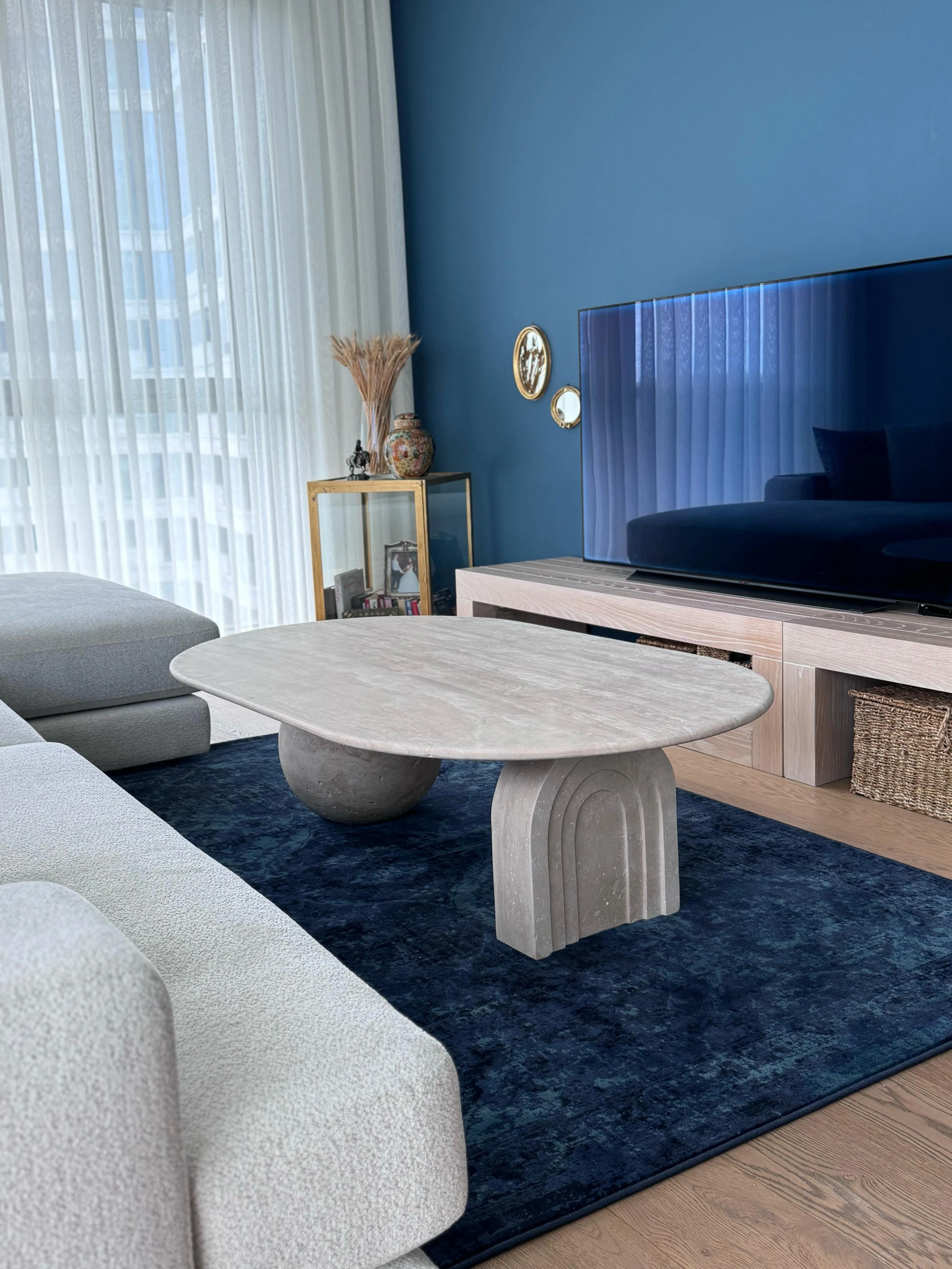
Travertin Coffee Table - Modern design
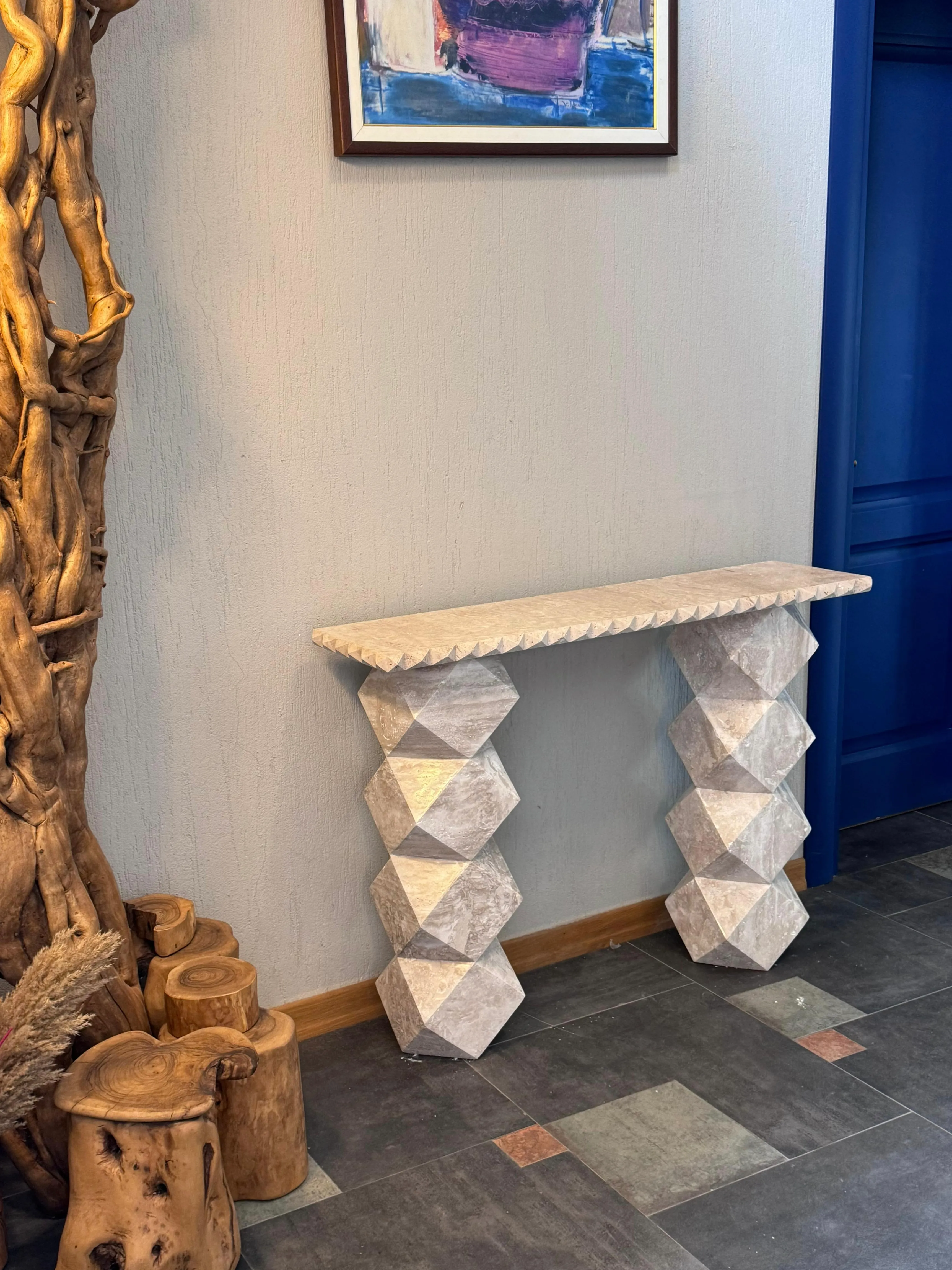
Travertin Console Table - Traun
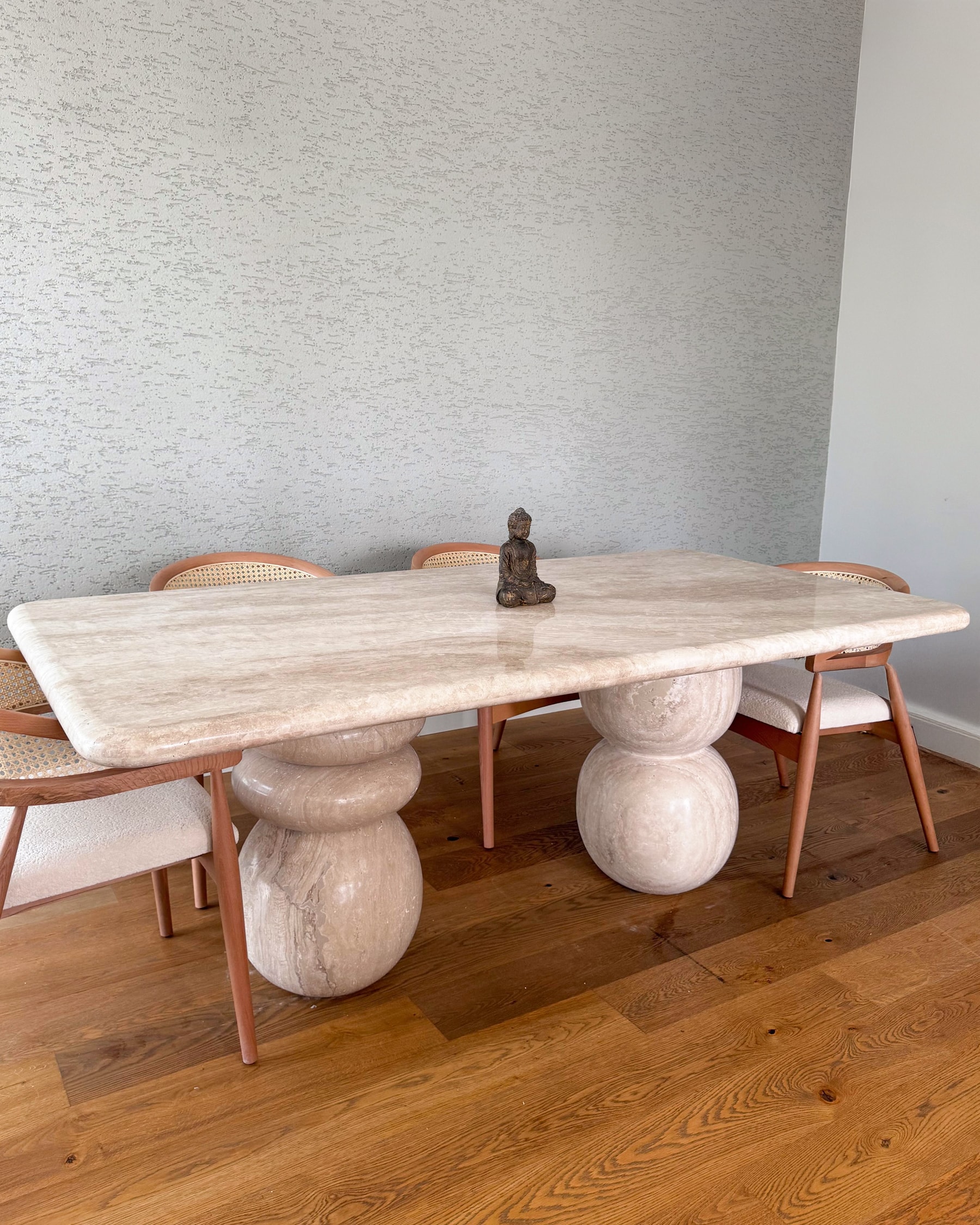
Travertine Dining Table Oval - Balance Stone
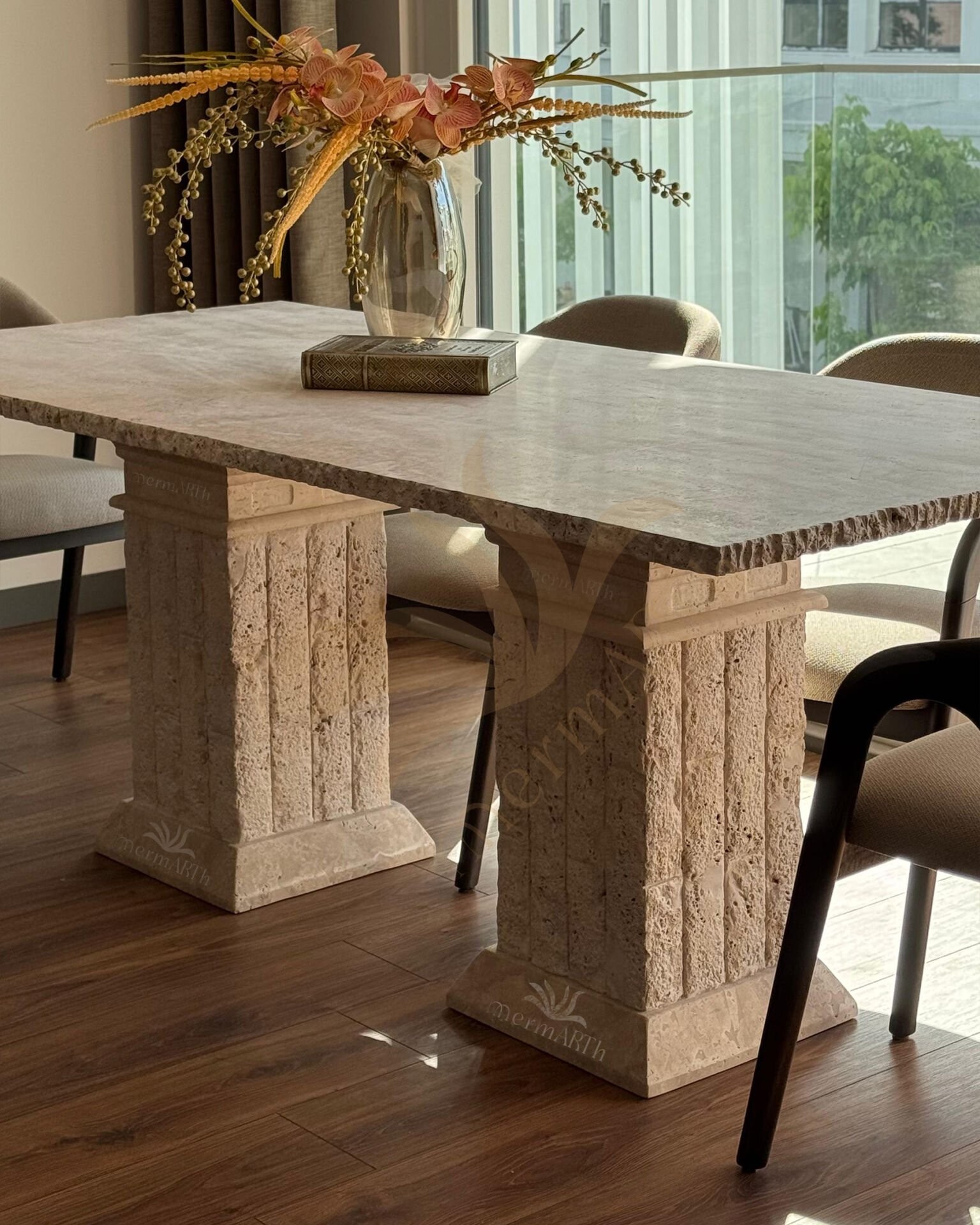
Travertine Dining Table - Unique Gothic

Travertine Dining Table - Ellipse Model

EsstischStuhl & Edle
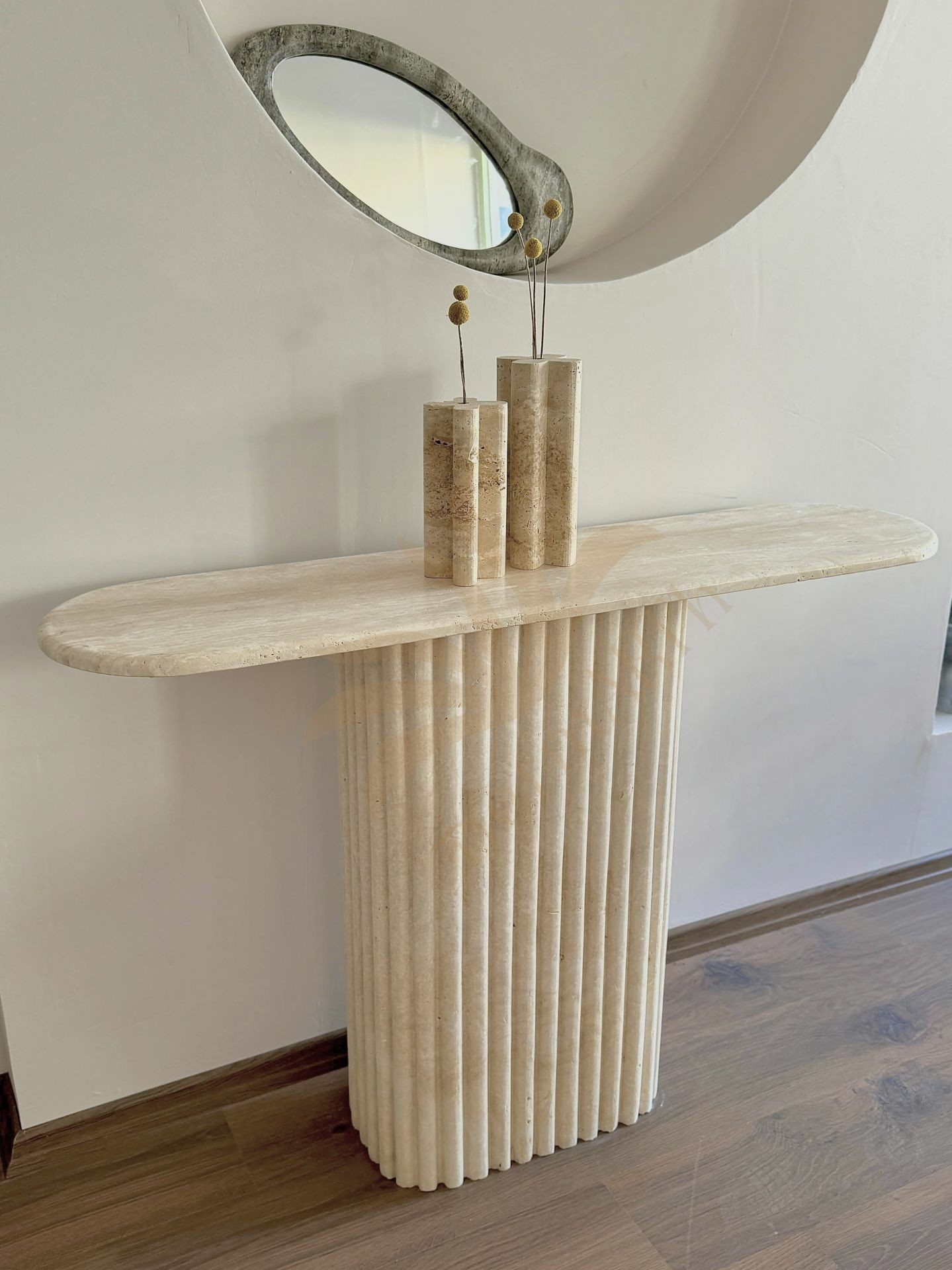
Travertine Console & Model Slats
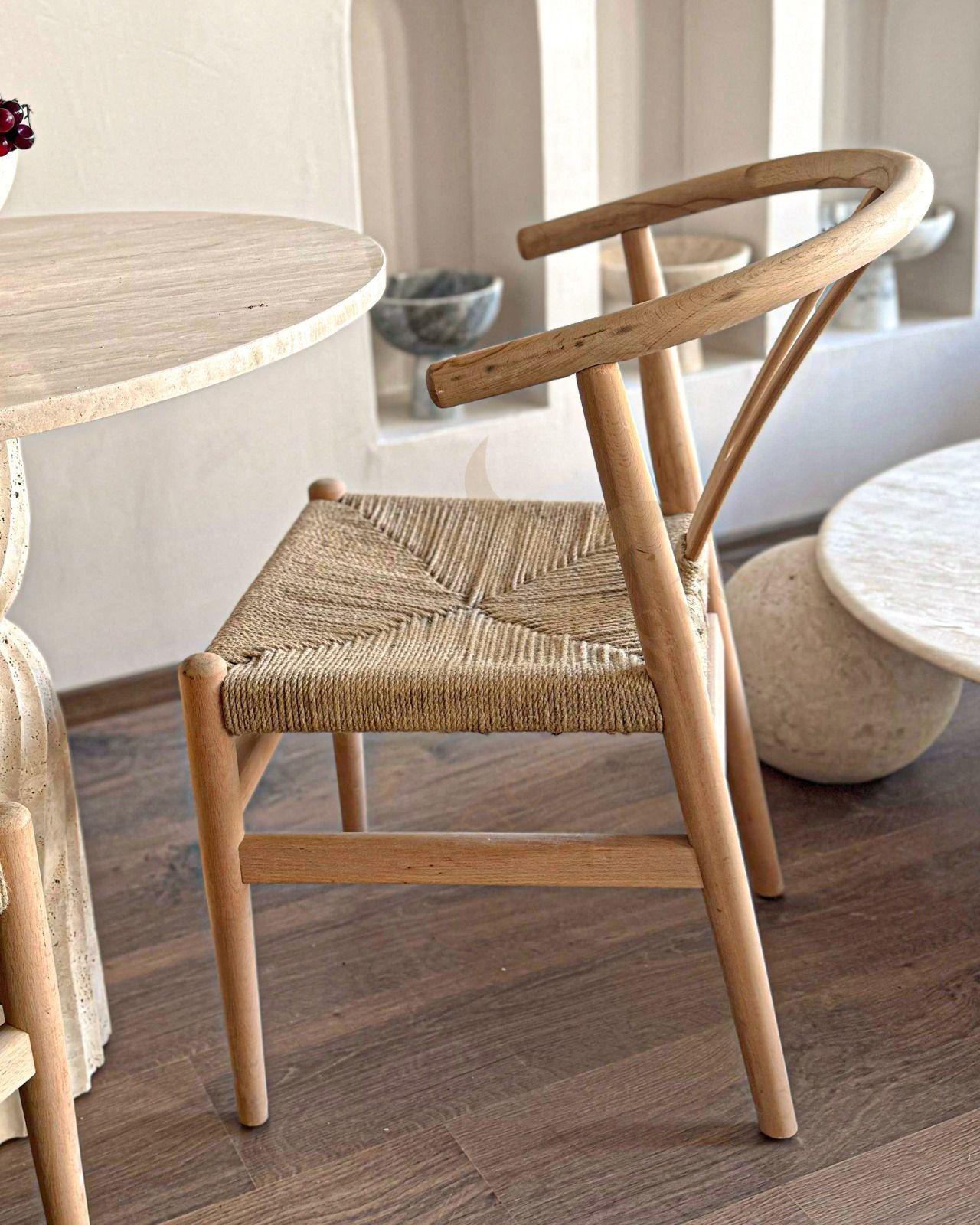
EsstischStuhl & Handgestrickt
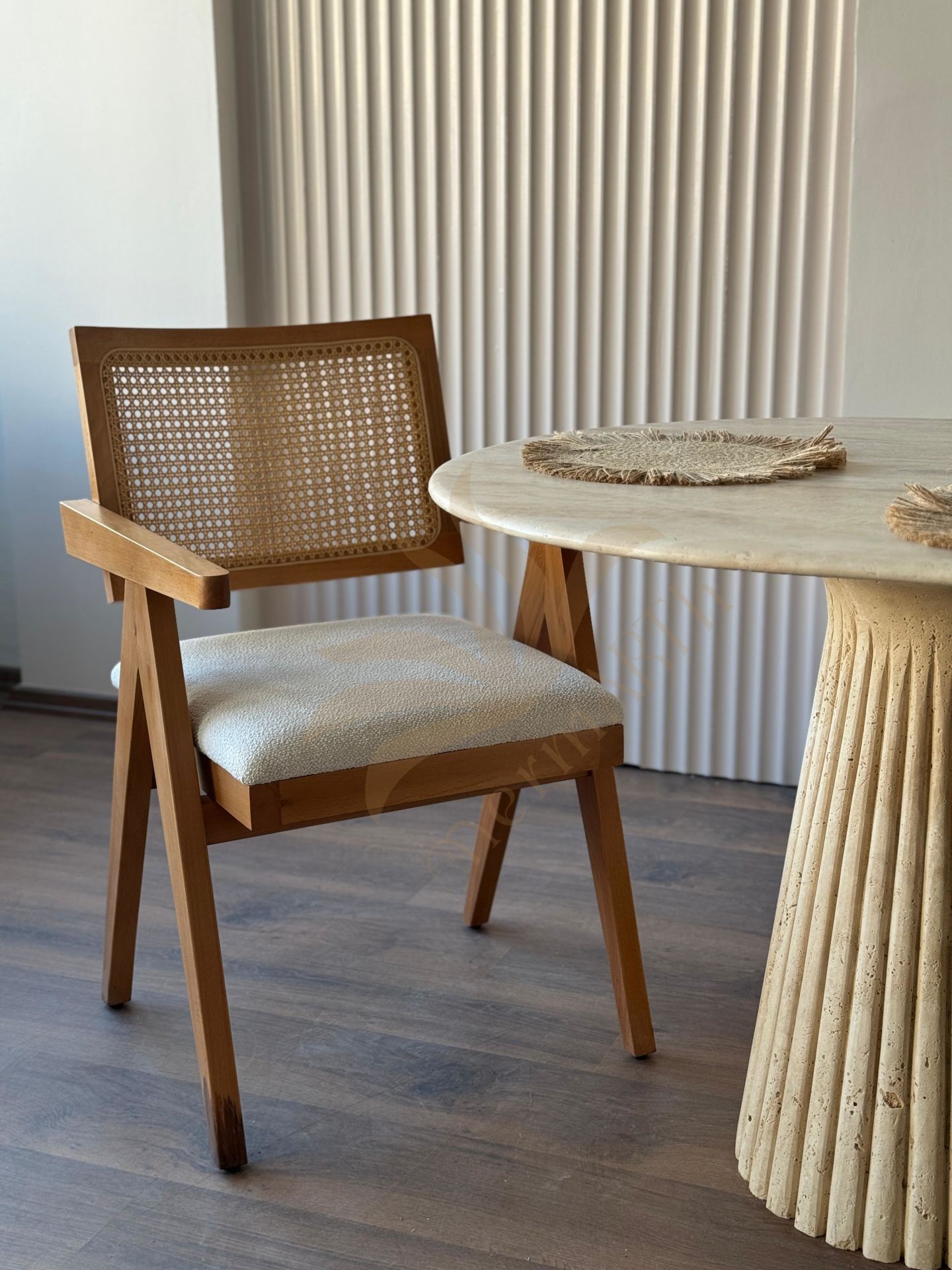
EsstischStuhl & Dore
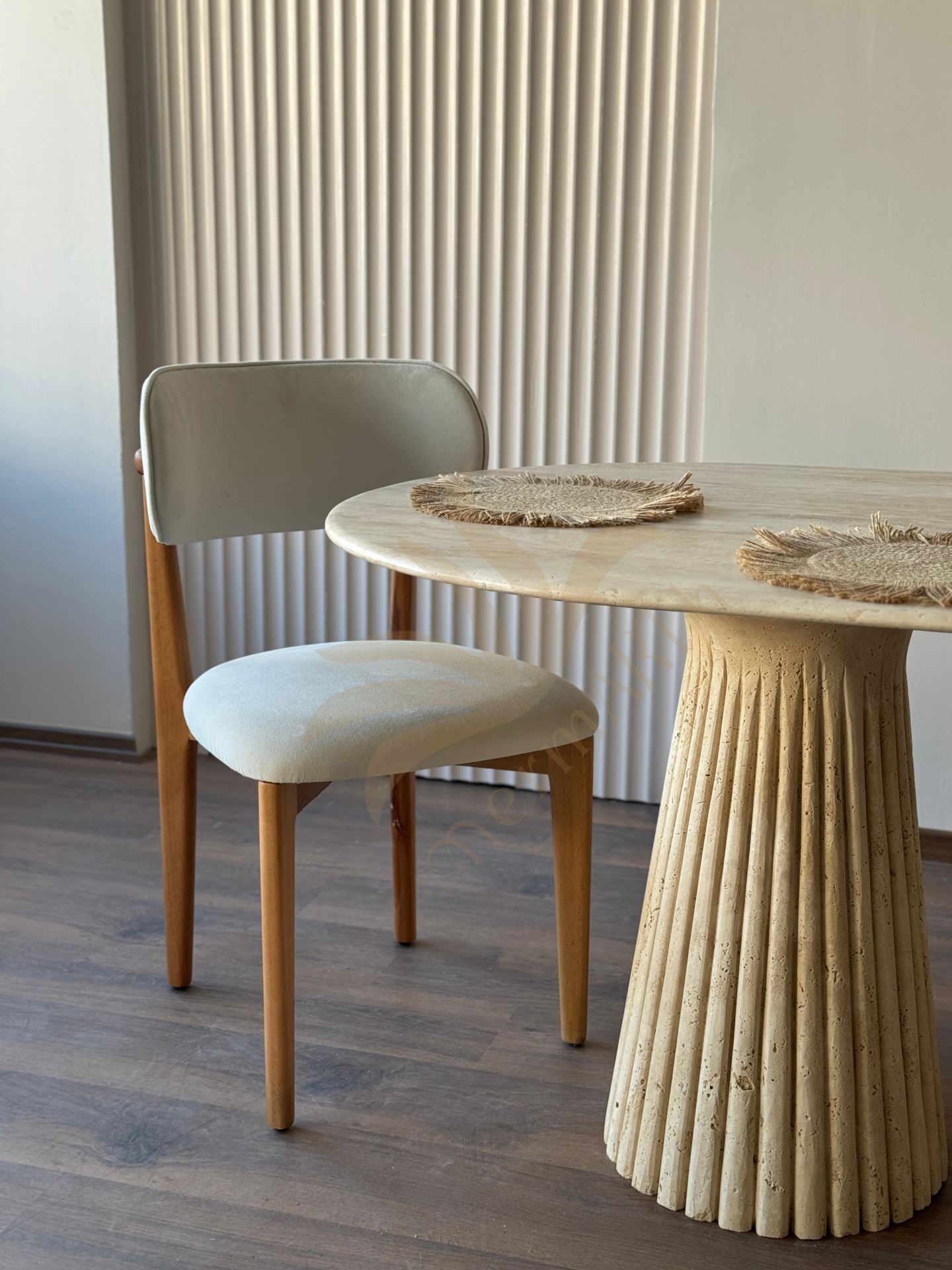
Esstischstuhl & Gons
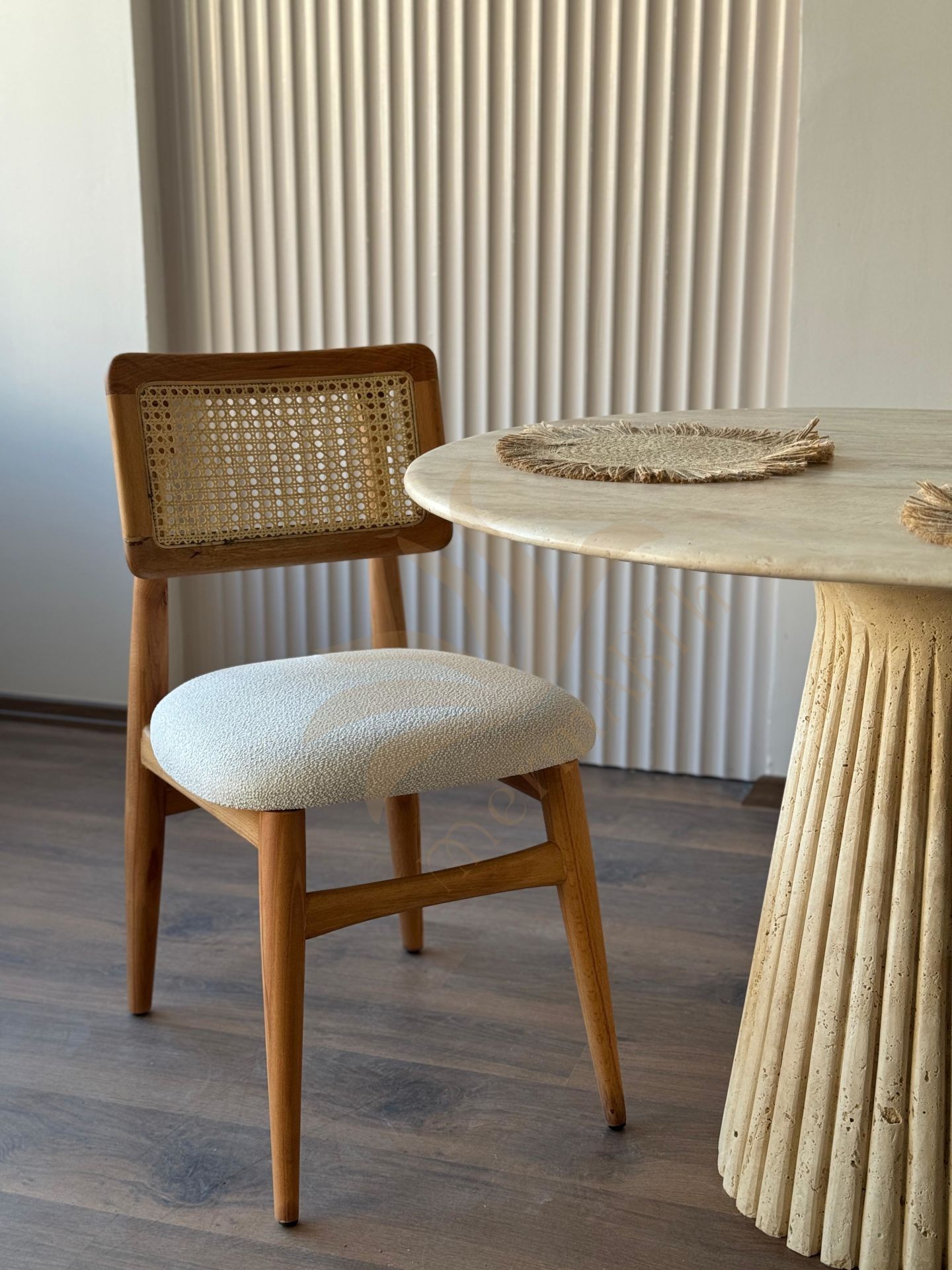
EsstischStuhl & Belegschaft
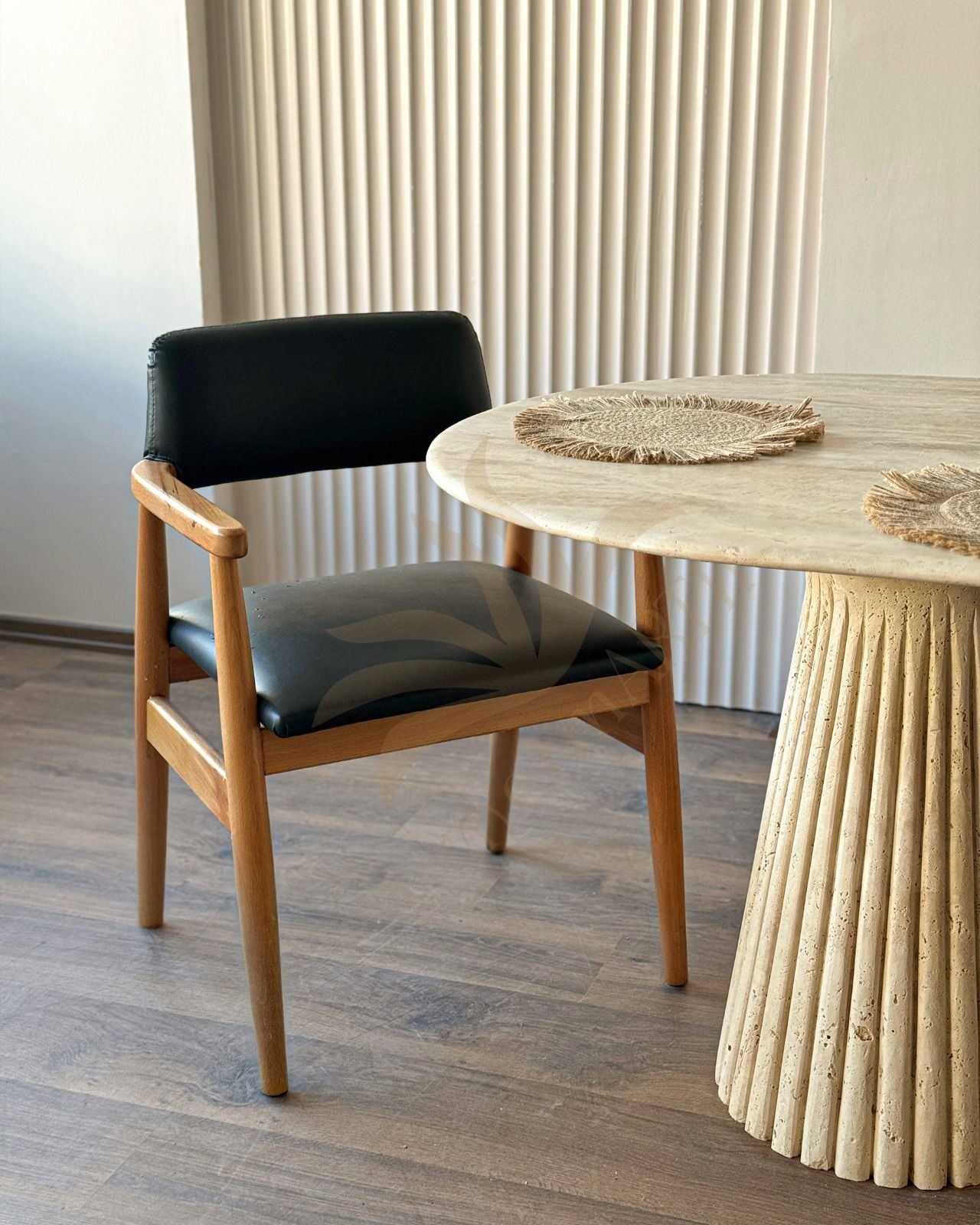
EsstischStuhl & Ako
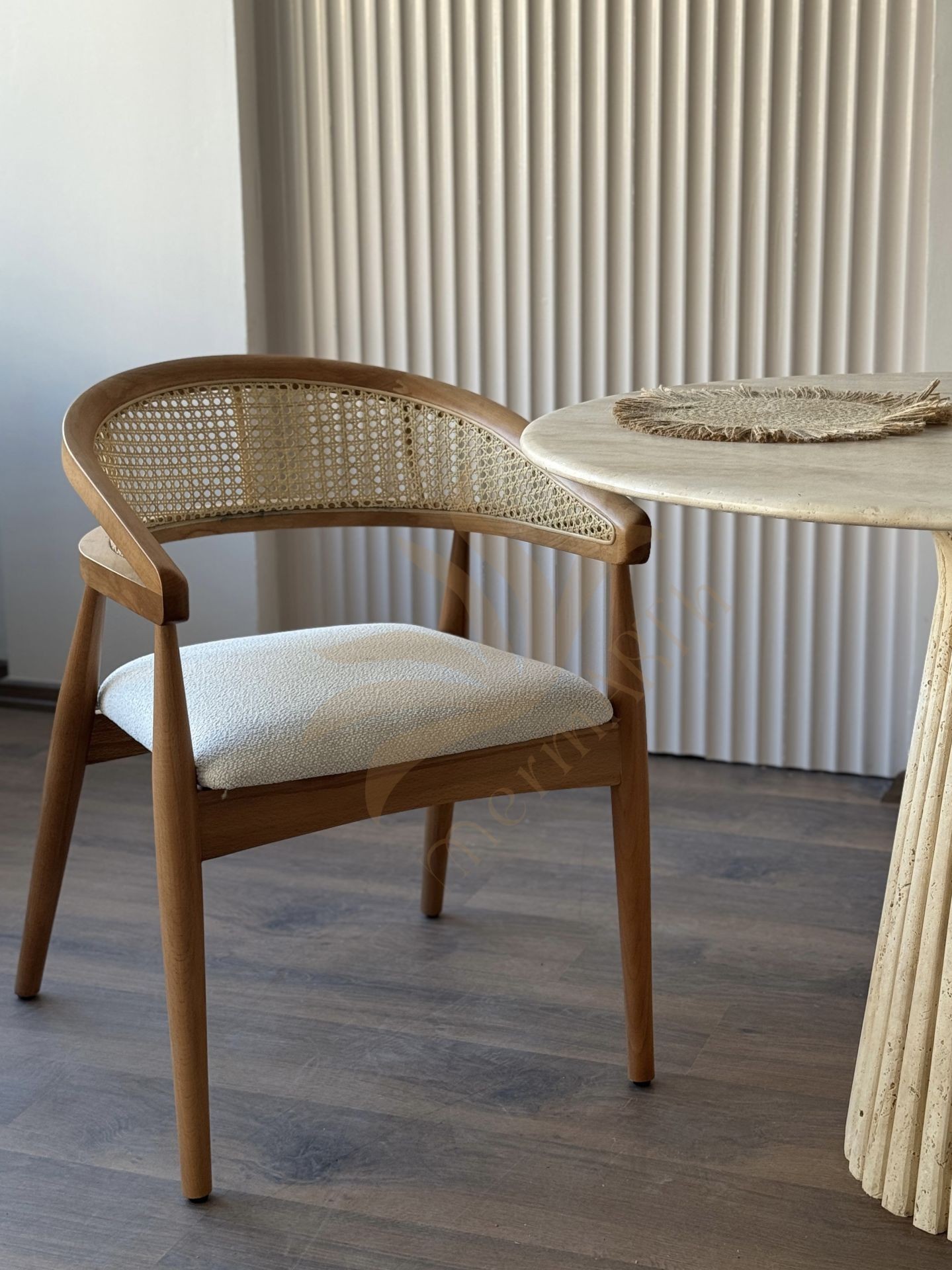
Esstischstuhl & Tyga
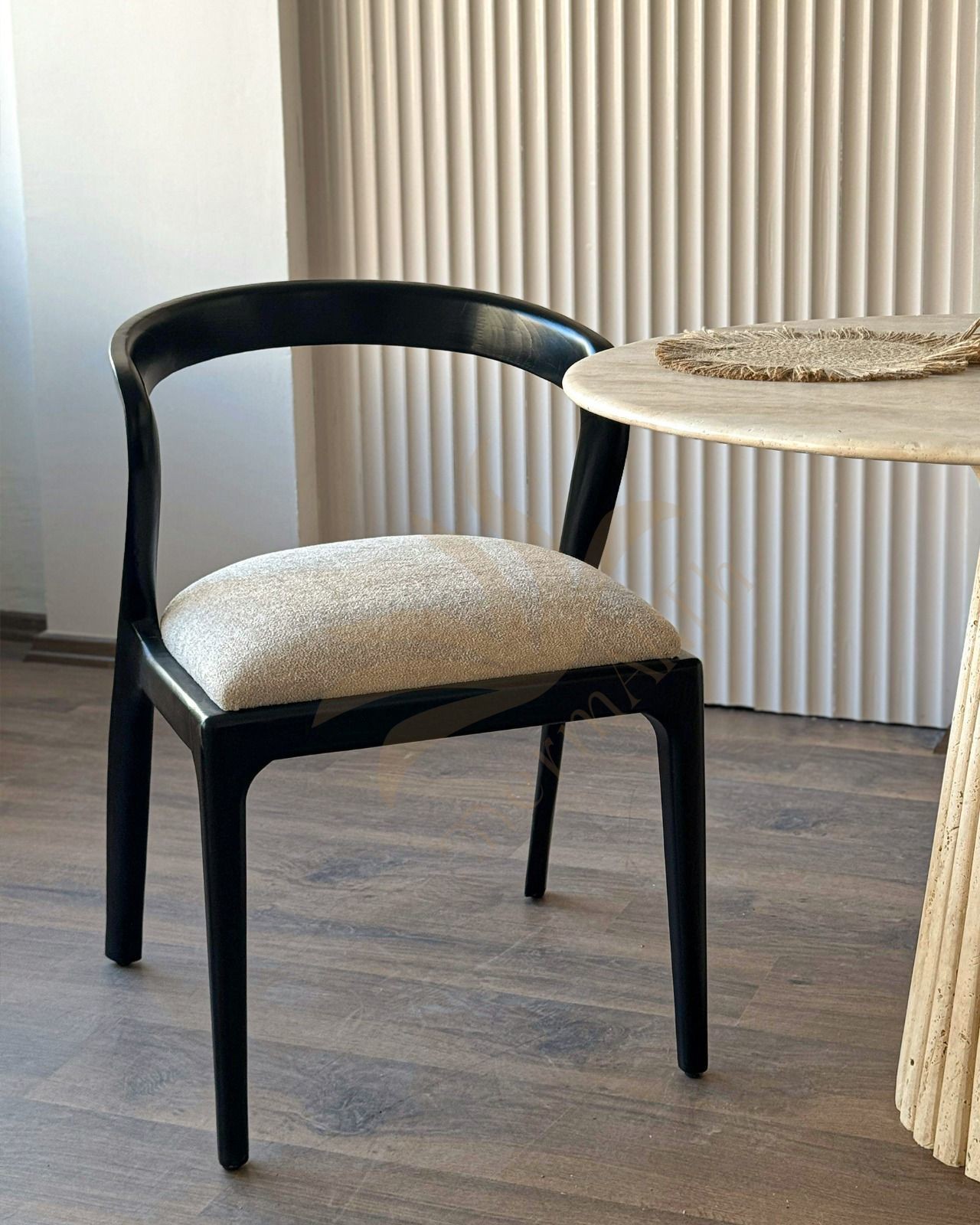
EsstischStuhl & Melda

Travertine Dining Table - Julia
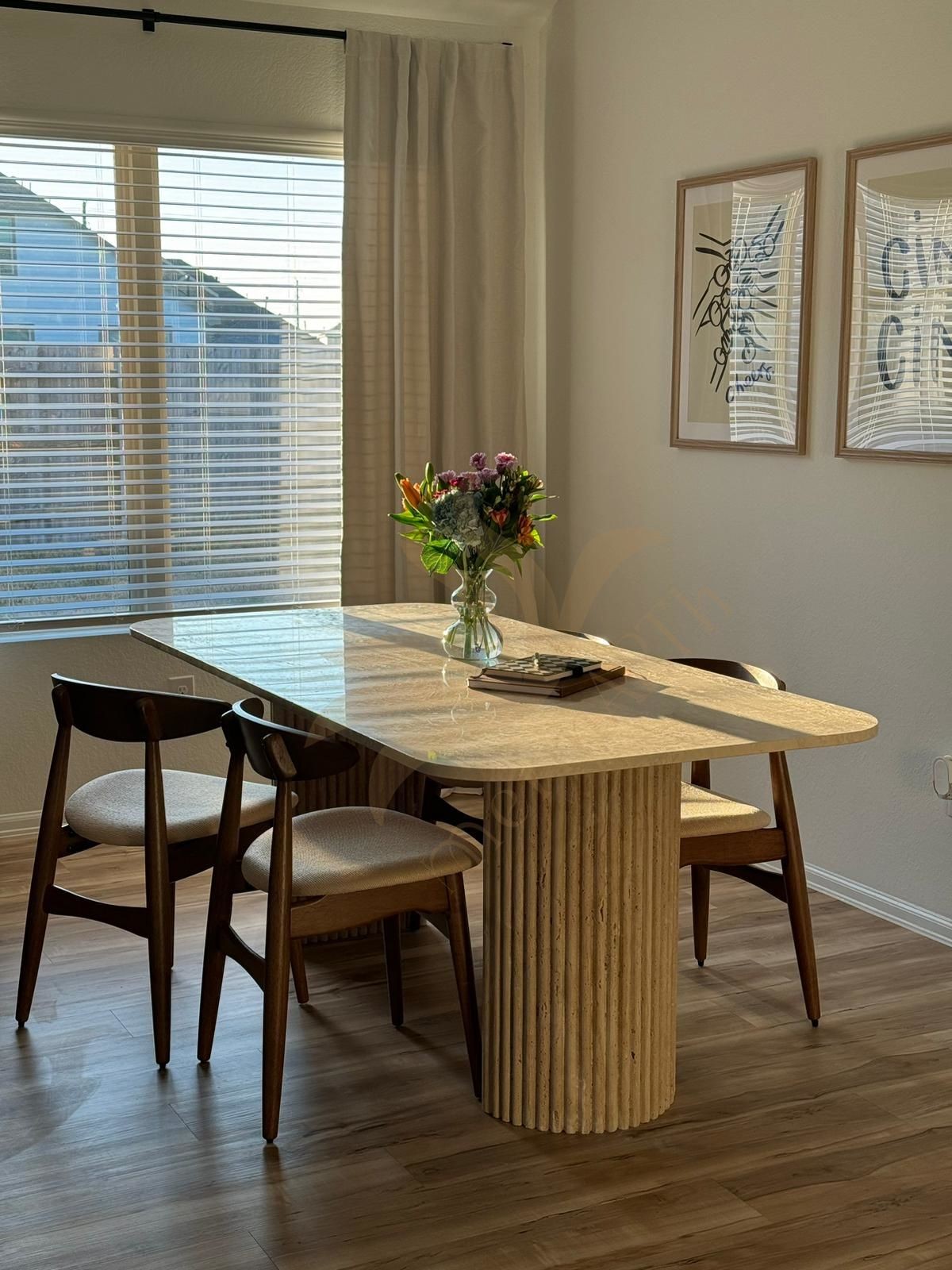
Travertine Dining Table & Natural Stone
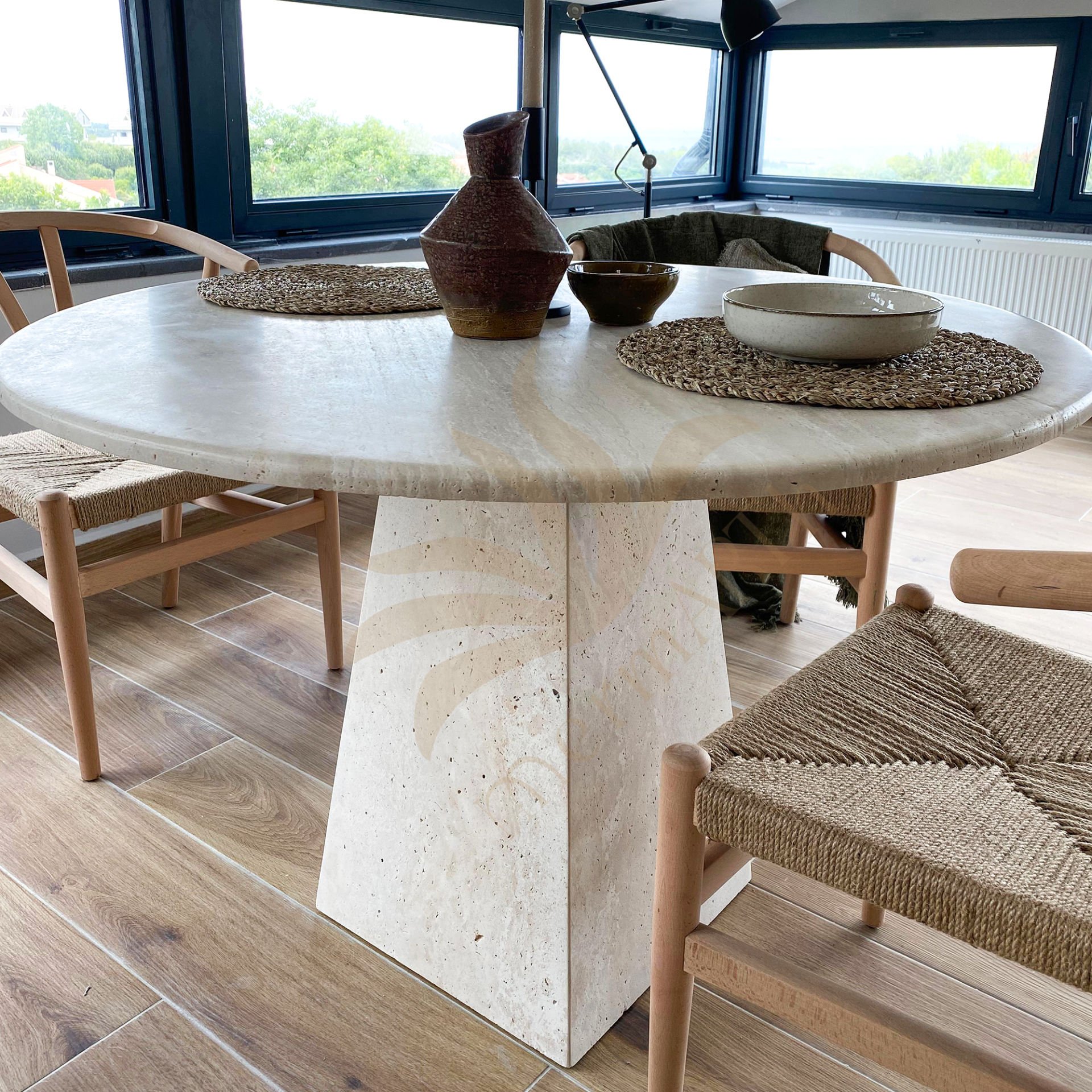
Round Dining Table & Natural Stone
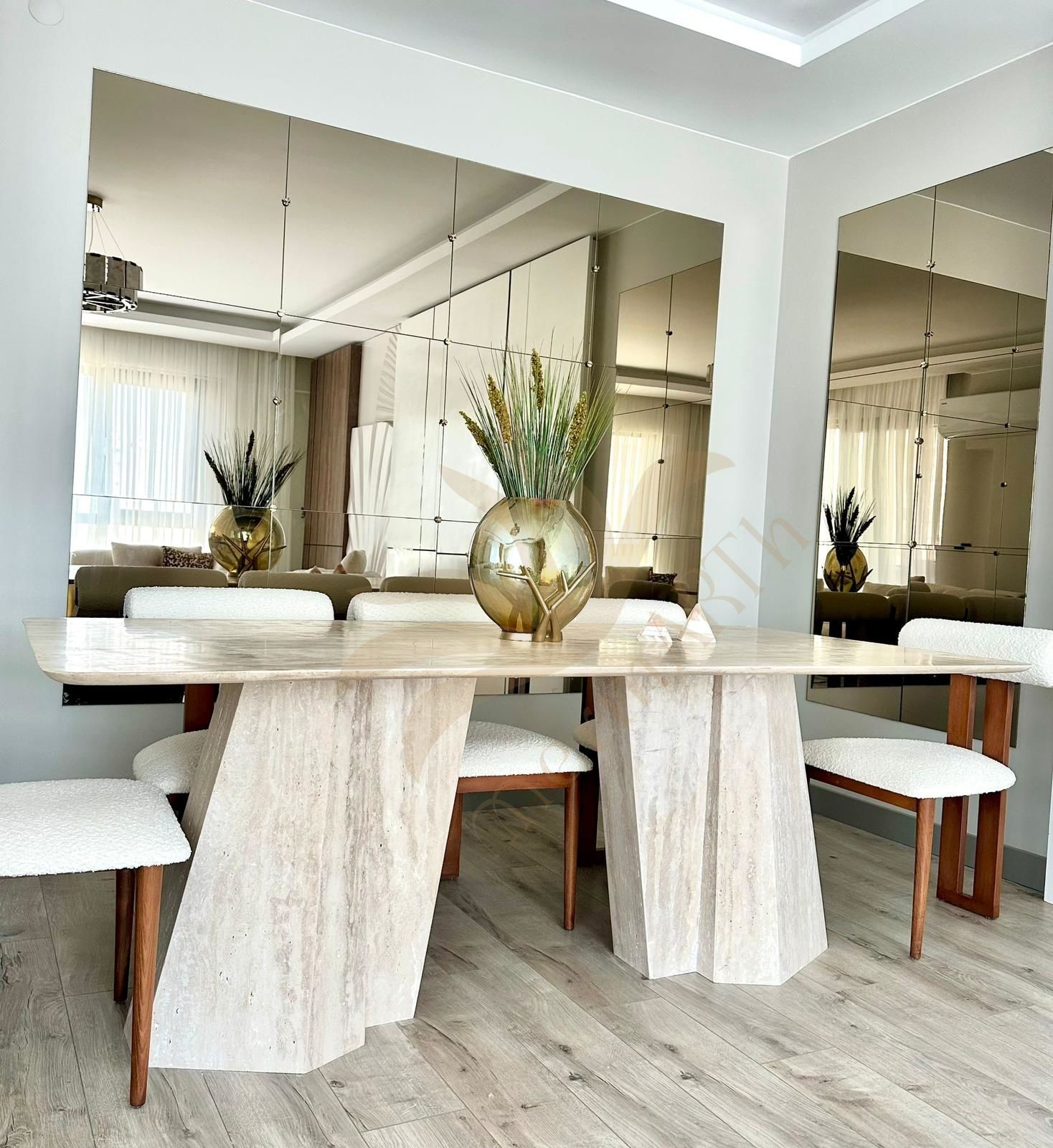
Travertine Dining Table & Custom Made
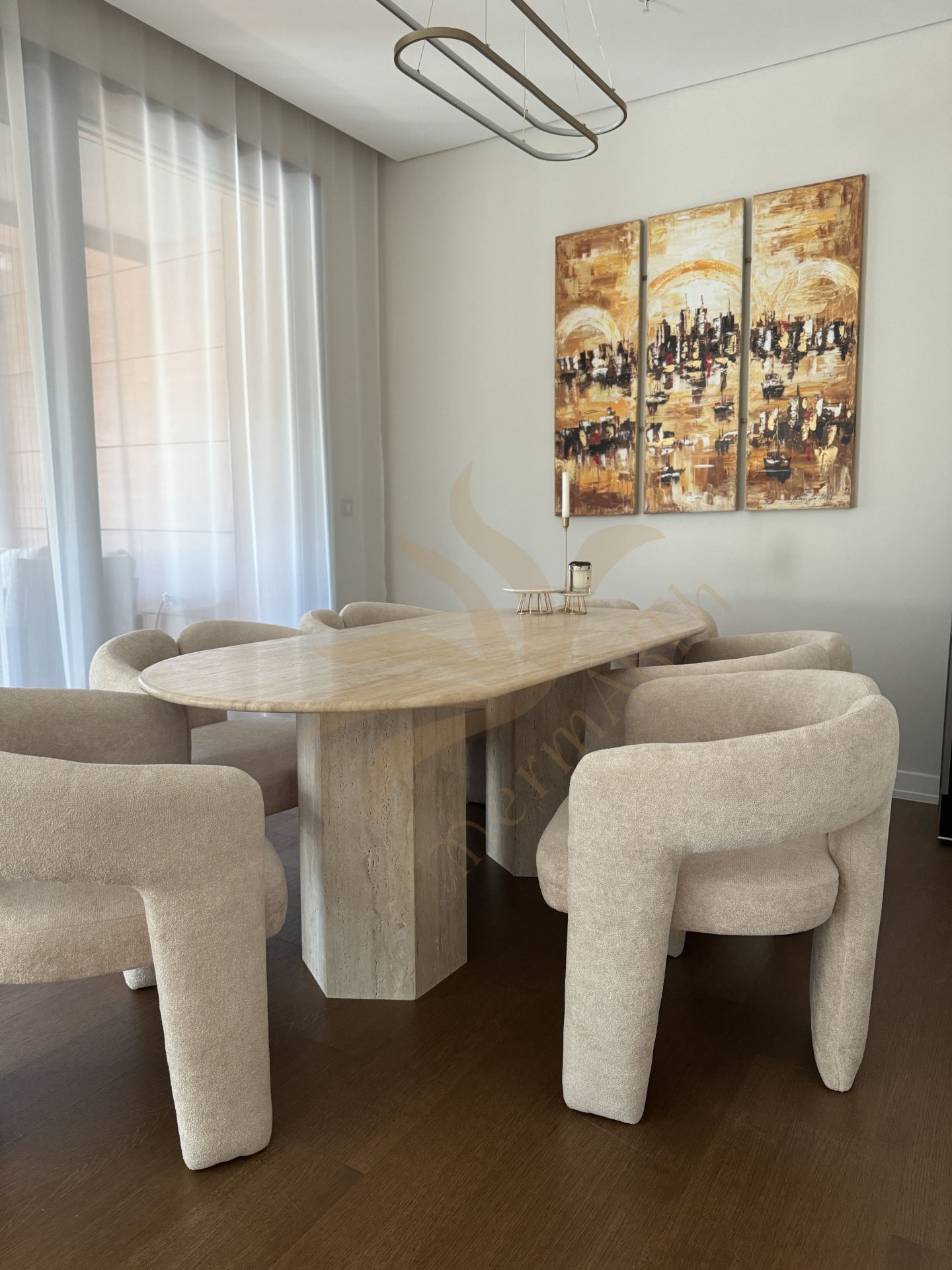
Travertine Dining Table & Huff
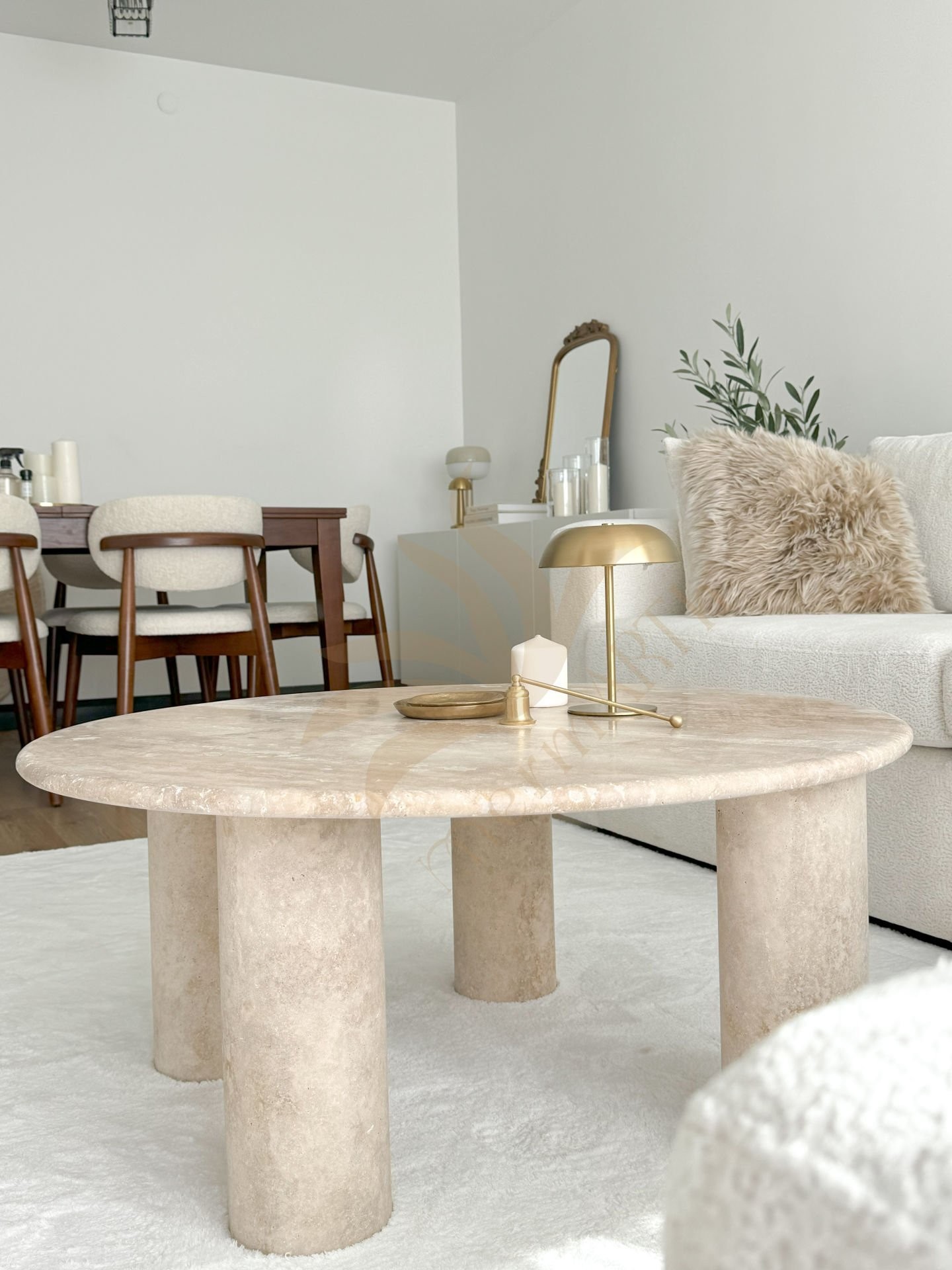
Travertin Coffee Table - Alara
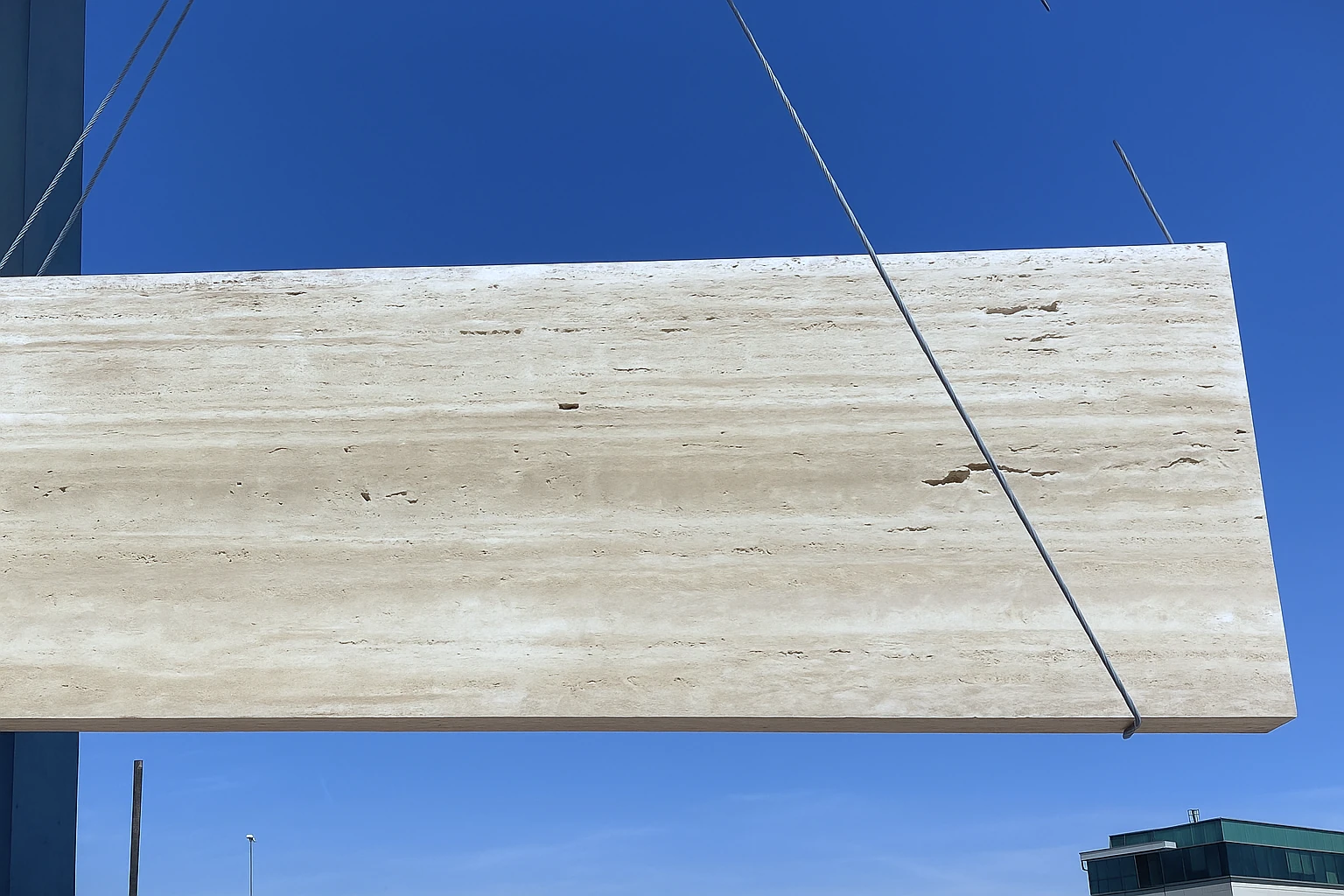
1-) What is travertine?
Travertine is a kind of sedimentary rock that is formed as a result of the deposition of minerals from mineral springs, in particular hot springs. It is a type of stone with a porous texture, which is often characterized by earthy colors and natural grain.
2-) Where does travertine come from?
Travertine is commonly mined in countries such as Italy, Turkey, Iran and Mexico. Turkey in particular is known for its high-quality travertine.
3-) What are the different types of travertine?
Travertine is available in various finishes, including polished, sanded, tumbled and brushed. Each finish offers a different look and texture. Also, the color of the stone varies from beige and cream to brown and gray.
4-) Is travertine durable?
Travertine is quite durable, but due to its porosity it can be more prone to stains and scratches than harder stones, such as granite. Usually one polish is enough to preserve the appearance and protect it from damage.
5-) How should I clean and care for travertine?
To clean travertine, use a mild pH-neutral cleaner and avoid acidic or abrasive substances that can damage the surface. Regular sealing can help protect the stone from stains and moisture.
6-) Can travertine be used in wet areas?
Yes, travertine can be used in wet areas such as bathrooms and near pools, but it must be properly sealed to prevent water absorption and damage.
7-) What are the advantages of using travertine?
Travertine is valued for its natural beauty, versatility and classic appearance. In addition, it is relatively easy to cut and shape, so it is suitable for various design applications.
8-) Where is travertine often used?
Travertine is popular both indoors and outdoors. Common uses include flooring, countertops, wall cladding and paving for patios and walkways. It is also used for decorative elements such as fireplaces and fountains.
9-) Is Travertine environmentally friendly?
Travertine is a natural stone and is generally considered environmentally friendly due to its long durability. However, the environmental impact of quarries and transport must be taken into account.
10-) Can Travertine be repaired in case of damage?
Yes, minor damage such as nicks or scratches can usually be repaired with stone repair kits and a restoration service. In case of major problems, a craftsman may be required.